
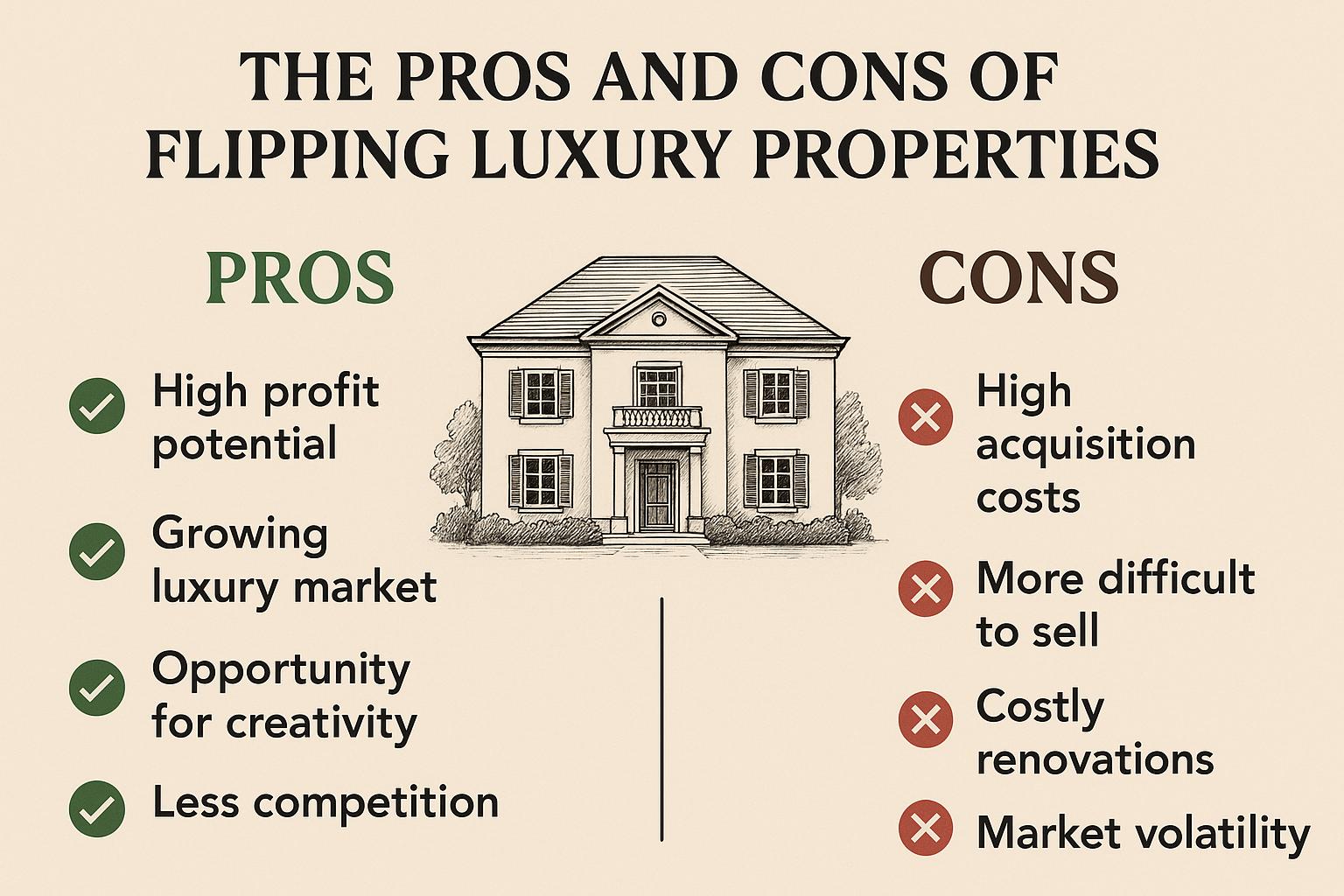
Flipping luxury properties is a distinctive investment strategy that involves acquiring high-end real estate, enhancing it through renovations, and then selling it relatively quickly to make a profit. Unlike more traditional property investments, the luxury real estate market presents its own set of opportunities and challenges. If navigated correctly, this approach can yield substantial financial benefits.
One of the core attractions of flipping luxury properties is the potential for significant financial returns. High-end real estate is usually associated with elevated price brackets, creating an opportunity for exceptional profit margins. By making well-planned and stylish renovations, the property’s value can see a notable increase. Investors stand to gain considerably when they can transform a dated property into a high-value asset with luxurious upgrades that appeal to affluent buyers.
Strategic renovation is key when targeting high-end properties. Investors should focus on upgrades that significantly increase the property’s appeal and value. Enhancements such as modernized kitchens, state-of-the-art home automation, premium finishes, and sustainability features can all contribute to a notable appreciation in the property’s market value. A comprehensive understanding of current luxury trends enables investors to make upgrades that not only meet but exceed buyer expectations.
Understanding the potential buyer’s profile can drive renovation choices. Luxury buyers often seek unique features and tailored design solutions. Recognizing such preferences enables investors to focus efforts on enhancements that resonate with high-net-worth individuals. This targeted approach can help attract a subset of buyers willing to pay a premium for specific property features.
The luxury real estate market tends to exhibit greater stability compared with lower-end segments. High-net-worth individuals are often less affected by economic downturns, which contributes to a more robust and resilient market. This aspect reduces the potential risks associated with sudden market volatility during the period of flipping. In essence, the chances of facing an unexpected downturn—which could significantly impact the success of the flipping process—are mitigated.
Economic insulation in the luxury segment is a result of the affluence of the buyers. Real estate in this category often maintains its value more effectively because buyers in the market are less likely to be swayed by short-term economic shifts. Investors looking to flip luxury properties often find comfort in this market stability, as it reduces financial risk and enhances the predictability of returns.
Luxury properties are renowned for their unique features and desirable locations, factors which impart an exclusive allure to potential buyers. The rarity of such properties can lead to increased interest, often creating a sense of urgency among buyers. This exclusivity typically fosters a competitive environment among prospective purchasers, which can serve to increase the ultimate selling price of the property.
Location is a pivotal factor in the allure of luxury properties. Prime locations, whether in urban centers or secluded areas with breathtaking views, often justify a premium price. A property’s location can significantly influence its demand and pricing strategy, making it imperative for investors to carefully select properties in distinguished locales.
While the realm of luxury property flipping is replete with advantages, aspiring investors must acknowledge and prepare for the challenges inherent in this venture.
Entering the luxury property flipping sphere requires a substantial initial investment. The purchase costs alone for premium real estate can be prohibitive for many investors, and additional financial resources are essential to cover extensive renovation expenses. Engaging in this market demands careful financial planning and often, access to significant capital reserves.
Given the high entry costs, investors must be adept at managing financial risks. It is crucial to have a clear understanding of the budget, including potential contingencies that might arise. Securing favorable financing terms and having a robust financial plan can mitigate potential cash flow issues. Furthermore, aligning with knowledgeable financial advisors can offer strategic insights that aid in balancing the risk/reward profile of the investment.
One significant challenge is the potential for longer selling cycles. The luxury segment is inherently less liquid due to a smaller pool of prospective buyers. This factor can result in prolonged sale periods, during which ongoing costs such as property taxes, maintenance, and other holding expenses accumulate, potentially affecting profitability.
Understanding the market dynamics, including buyer preferences and sales cycles, is essential in managing these extended timelines. Investors can benefit from working closely with experienced real estate professionals who specialize in luxury markets to identify optimal periods for listing and selling. This collaboration can help in timing the market accurately, thereby mitigating the impact of prolonged sales periods.
Renovating high-end properties often requires advanced craftsmanship and premium materials, adding layers of complexity to the renovation process. Ensuring quality work while managing costs necessitates hiring specialized contractors experienced in luxury projects. These experts are crucial in maintaining high standards of work, but their involvement can also lead to increased costs and extended project timelines.
Collaborating with skilled architects, designers, and contractors is not just a necessity but a strategic advantage in luxury flips. These professionals bring both expertise and innovation to the table, allowing investors to maximize their property’s appeal. By establishing partnerships with such professionals, investors enhance the prospects of seamlessly executing complex projects, maintaining exceptional craftsmanship, and adhering to timelines.
Navigating the challenges of flipping luxury properties requires implementing a series of calculated strategies. Foremost among these is conducting in-depth market research to grasp current trends and buyer inclinations. Engaging experts who specialize in luxury real estate offers valuable insights into effective strategies tailored to high-end markets.
Engaging experienced real estate agents with a strong foothold in luxury markets can be instrumental. Their knowledge and network not only provide access to exclusive listings but also aid in accurately appraising property values and costs. Similarly, collaborating with seasoned contractors ensures that renovation endeavors align with both market expectations and financial targets.
For more comprehensive guidance on real estate investing, one might visit Investopedia to access a wealth of resources and expert insights that can further enrich one’s investment acumen.
A methodical approach to evaluating market conditions is crucial to the success of luxury property flipping. By identifying unique property features and adhering to a disciplined investment strategy, investors can position themselves for a lucrative outcome. Understanding the competitive landscape, buyer behavior, and market trends enables investors to execute informed decisions, steering their luxury property ventures toward profitability.
Comments are currently closed.