
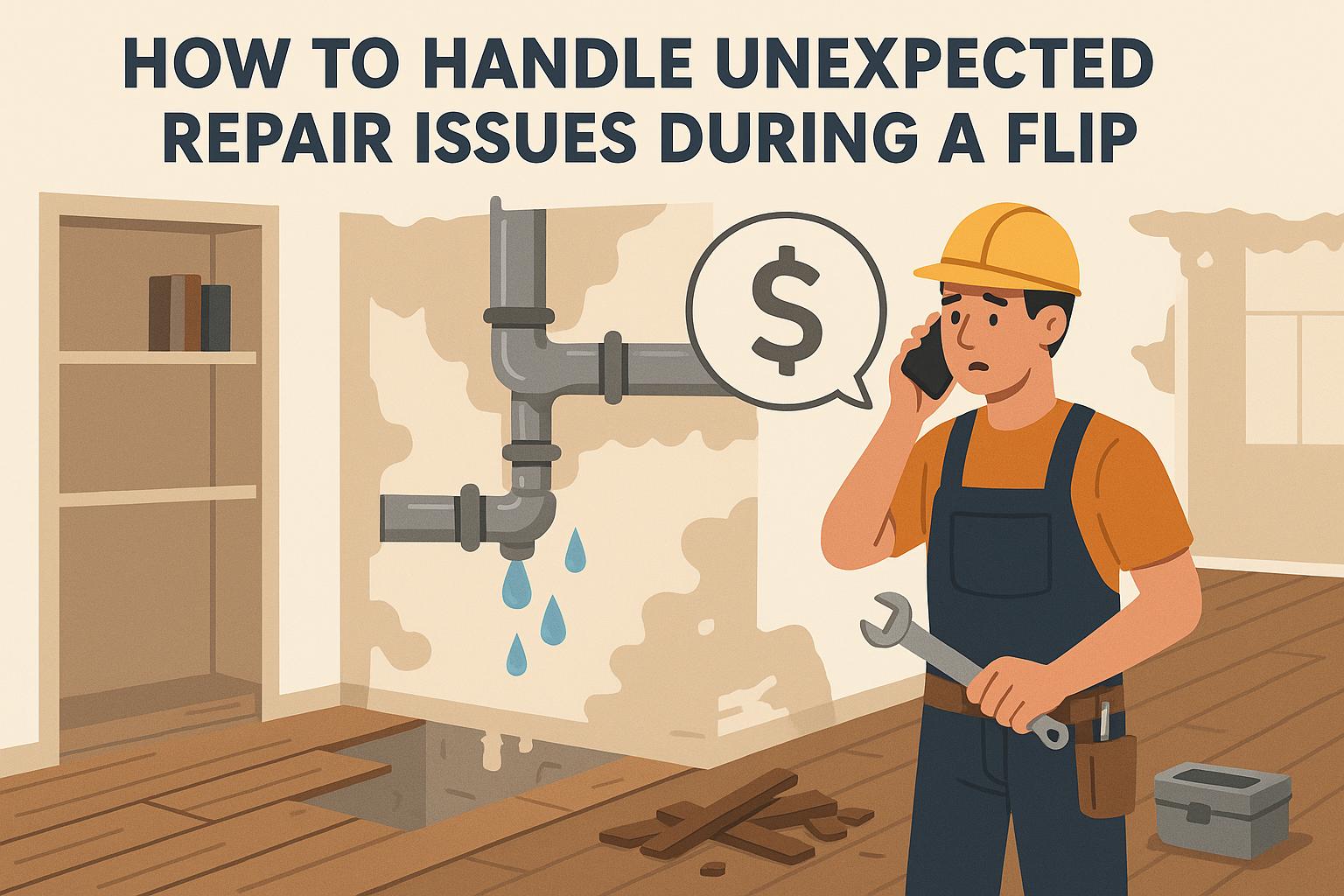
Flipping properties can be a profitable venture, but it often comes with its share of unexpected repair issues. These unexpected repairs can significantly alter the timeline and budget of a flip. It is crucial to approach these challenges methodically and efficiently to ensure the success of the project.
Before you commence any work on a property, it is imperative to conduct a thorough inspection. Engage a professional inspector to evaluate the property. This step is critical as it helps in identifying potential issues that may be overlooked. While not all problems can be foreseen, a professional inspection will give you a solid foundation to work from.
An inspection is not just about looking for visible flaws. Professionals assess various elements such as plumbing systems, electrical wiring, roofing, and structural integrity. These components, although sometimes hidden from plain sight, can reveal significant issues that might become costly if not attended to promptly. Moreover, understanding these details can provide an opportunity to renegotiate the purchase price or plan more effectively for repairs.
When budgeting for a flip, always include a contingency fund. A typical recommendation is to allocate an additional 10-20% of the total renovation budget for unforeseen repairs. This financial cushion will provide flexibility and prevent the project from grinding to a halt due to unexpected costs.
It’s important to differentiate between various types of repairs, as not all require immediate attention. Some may be aesthetic touch-ups that don’t affect the functionality of the house but may boost its appeal. Others might include essential repairs that are critical for the safety and longevity of the home. Thus, having a contingency plan is not merely about setting aside money but also about strategizing which repairs need priority.
Once unexpected issues are identified, prioritize repairs based on their impact on the overall project. **Structural issues** such as foundation cracks or roof leaks should take precedence because they can lead to more significant problems if left unaddressed. Cosmetic issues, while important for the final appearance, should be secondary to structural fixes.
Evaluate each repair by considering potential risks and consequences. For instance, neglecting a minor plumbing leak might lead to water damage, causing more extensive repairs. Therefore, adopting a proactive approach in addressing essential repairs helps maintain the integrity of the property and ensure that the flip progresses smoothly.
For significant repairs, always engage qualified professionals. Attempting to cut costs by doing it yourself or hiring unskilled labor can lead to subpar work and additional expenses down the line. Ensure that any contractor or professional hired is licensed and has a proven track record in handling similar issues.
Research and vet potential contractors or repair specialists thoroughly. **Check their credentials**, request references, and consider their expertise matching the project’s requirements. Establishing a good relationship with reliable professionals can be advantageous for future projects and can provide peace of mind knowing that the job will be done right.
Keep detailed records of all repairs, including contracts, receipts, and warranties. This documentation is invaluable not only for the current project but also for future flips. It provides a reference point that can help in planning and executing subsequent projects more efficiently.
Moreover, well-documented records are crucial when discussing property history with potential buyers. This transparency fosters trust and confidence in the quality of the renovations done. Additionally, having clear documentation can be helpful when dealing with legal matters or insurance claims related to the property.
Maintain clear communication with all stakeholders involved in the flip, including investors, real estate agents, and contractors. Regular updates on the progress and any changes due to unexpected repairs help in managing expectations and maintaining trust.
**Effective communication strategies** may include holding regular meetings, sending detailed progress reports, or utilizing project management tools to streamline information flow. Clear communication **ensures everyone’s on the same page**, reduces misunderstandings, and facilitates timely decision-making.
After handling unexpected repair issues, review the process to identify areas of improvement. Analyze what could have been done differently to prevent or address issues more effectively. This reflection will be beneficial for future projects and aid in refining your flipping strategy.
Consider conducting a post-project analysis involving all team members to gather diverse perspectives. This collaborative review can uncover insights that might be overlooked individually. Use these findings to adjust your strategies for future flips, enhancing efficiency and profitability.
For more information on managing unexpected repairs, consider consulting industry experts or reading specialized guides. Online forums and dedicated property flipping websites can also provide valuable insights. Engaging with these resources can enhance your understanding and preparedness for future ventures.
Utilize these platforms to network with other flippers, share experiences, and get advice on overcoming challenges associated with property renovations. Continuous learning and adaptability are key components to growth and success in the property flipping industry, enabling you to handle unexpected repairs with resilience and strategic acumen.
Comments are currently closed.