
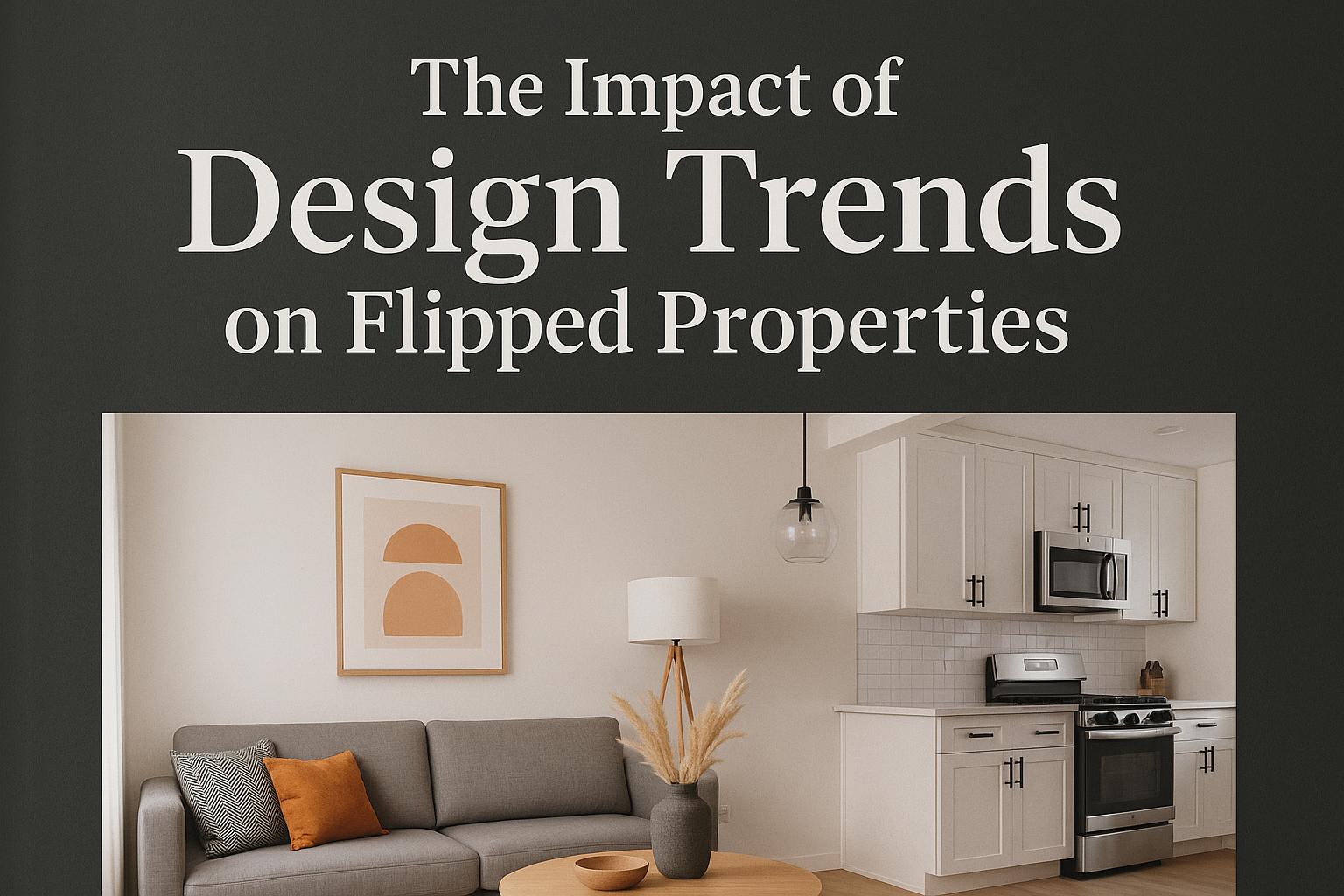
Flipping properties is a popular strategy in the real estate market, involving the purchasing, renovating, and selling of homes for a profit. A crucial aspect of this process is the renovation phase, where design trends play a significant role. Understanding how these trends impact the marketability and final sale price of a flipped property is essential for both seasoned flippers and beginners.
Design trends refer to changes in consumer preferences regarding home aesthetics and functionality. These trends evolve based on cultural shifts, technological advancements, and lifestyle changes. For example, the emphasis on sustainability has led to an increase in demand for eco-friendly materials and energy-efficient appliances in homes. Staying informed about current design trends is critical for real estate investors looking to maximize their returns.
The marketability of a flipped property is greatly enhanced by incorporating contemporary design trends. Potential buyers are more likely to be attracted to a home that aligns with their tastes and preferences. Nowadays, a modern kitchen with an open concept, sleek finishes, and smart appliances can be a significant selling point. Additionally, a bathroom featuring trendy tiles, a walk-in shower, and energy-efficient fixtures can make a property even more appealing to prospective buyers.
Implementing popular design trends can increase the perceived value of a property, allowing it to be sold at a higher price point. Buyers often associate modern designs with higher quality and move-in readiness, and this perception makes them willing to pay a premium for such features. For example, homes that boast open floor plans and high ceilings are typically valued higher than comparable properties without these features.
While incorporating design trends can be beneficial, there is an inherent risk involved. Trends can be short-lived, and what is popular today might become obsolete tomorrow. Therefore, it’s crucial for investors to distinguish between fads and enduring trends. A real estate professional can provide valuable insights into which trends are sustainable and add actual long-term value.
To successfully flip properties, investors should take a strategic approach when implementing design trends. A methodical framework ensures the maximization of investments and the delivery of a property that meets market expectations.
Flippers should remain informed about emerging trends by engaging with various sources of industry insights. Reading design magazines not only provides a visual understanding but also involves learning the reasoning behind the trends. Similarly, attending trade shows offers a hands-on experience of upcoming materials and technologies. Following reputable design blogs keeps one informed and helps in drawing parallels between different sources of information to spot coherent growth patterns.
Selecting trends with broad appeal can attract a wide range of buyers. This tactic involves the use of elements such as neutral color palettes, which tend to appeal to the majority and can easily be adapted by buyers to match their personal tastes. Classic materials like wood and stone maintain their appeal over time, and functional layouts ensure the practical use of space, enhancing livability and attracting a diverse set of potential purchasers.
When applying trends, it’s crucial to balance the cost of upgrades with the potential increase in property value. Not all upgrades have the same return on investment. High-return renovations, particularly in kitchens and bathrooms, typically yield the best results. This allocation of resources calls for an understanding of the demographics and preferences of the area in which the property is situated, ensuring the inclusion of the most attractive features at an optimal cost-benefit ratio.
Engaging with interior designers, contractors, and real estate agents can provide insights beyond basic trend-following. These professionals have expertise in suggesting the right materials, applications, and adjustments for incorporating design trends effectively. Their understanding of market fluctuations and local nuances can guide the styling of a property to meet current demand while maintaining a competitive edge in the market.
While standardizing certain elements can ensure a broad appeal, offering potential for customization can attract a more specific buyer pool. Allowing space for custom features enables potential buyers to visualize their unique preferences within the home. This mix of customization alongside standardized elements creates a balance that appeals both broadly and specifically.
Conducting a comparative market analysis allows investors to gauge which design trends are performing well within similar properties in the area. Analyzing competitors’ successes and failures provides insights into effective and ineffective renovations, ensuring that investment decisions in design trends contribute to profitability and market appeal.
Design trends have a profound impact on the success of property flips, influencing both the attractiveness and the final sale price of the property. By strategically navigating through the trends and making wise renovation decisions, investors increase their chances of achieving optimal returns in an ever-evolving market. A thoughtful approach, as described, can leverage current design trends into tangible profits while minimizing risks associated with fleeting fads. This seamless integration of aesthetic appeal with functional living standards ultimately results in a property that not only meets but exceeds buyer expectations, leading to greater success in the real estate flipping venture.
Comments are currently closed.